From Bhutan’s Highlands, Where Nature Meets Luxury
The Story of the Highlands
Spun from the down of mountain yaks and the hearts of herders and artisans, this is a story of resilience and renewal , the rebirth of Bhutan’s noble fibre. From the hands that combed it in the snow-clad pastures of Haa to those that wove it into cloth in the valleys of Bumthang, every strand carries the warmth of the land and the spirit of its people.
The Lifeline of the Mountains
High in the windswept pastures of Bhutan’s mountains, yaks are more than animals , they are lifelines. Their milk and meat feed families, their strength carries loads, and their wool, warm and resilient, has clothed generations of highland herders. In Bhutan, yak wool is not just a material; it is a thread that binds culture, survival, and identity.
The Art of Survival
For centuries, while the Bjobs of western Bhutan wove yak wool overs to guard against mountain rains, the Brokpas of Merak and Sakteng spun yak wool into thick robes and blankets to shield themselves from the biting Himalayan winds. The coarse outer hair became ropes strong enough to tether animals, while the softer inner down was treasured for making warm garments and blankets. These practices were not merely utilitarian, they told stories of endurance, family, and faith in the mountains.
The Rhythm of the Seasons
Every spring, when the yaks begin to shed, herders gather to gently comb and collect the wool. Around hearth fires, the wool is cleaned, spun, and woven, each strand carrying the warmth of tradition. For many families, selling a few kilos of yak wool or woven rugs means food, schooling, and sustenance for their children.
Traditions at a Crossroads
But this ancient rhythm of life faces new challenges. Fewer young people now choose yak herding, and climate change is shrinking grazing lands. As fast and synthetic fibers flood the market, even herders have begun replacing their traditional yak wool garments with cheaper alternatives. The deep-rooted heritage of yak wool, once a symbol of resilience , risks fading into memory.
A Future Woven with Promise
Yet, in this challenge lies a possibility. With care, creativity, and collaboration between the Department of Livestock and FAO Bhutan, Bhutan’s yak wool could once again find its place in the world , this time not just as a thread of survival, but as a fabric of sustainable luxury.
Heritage Meets Innovation
Ethical Origins
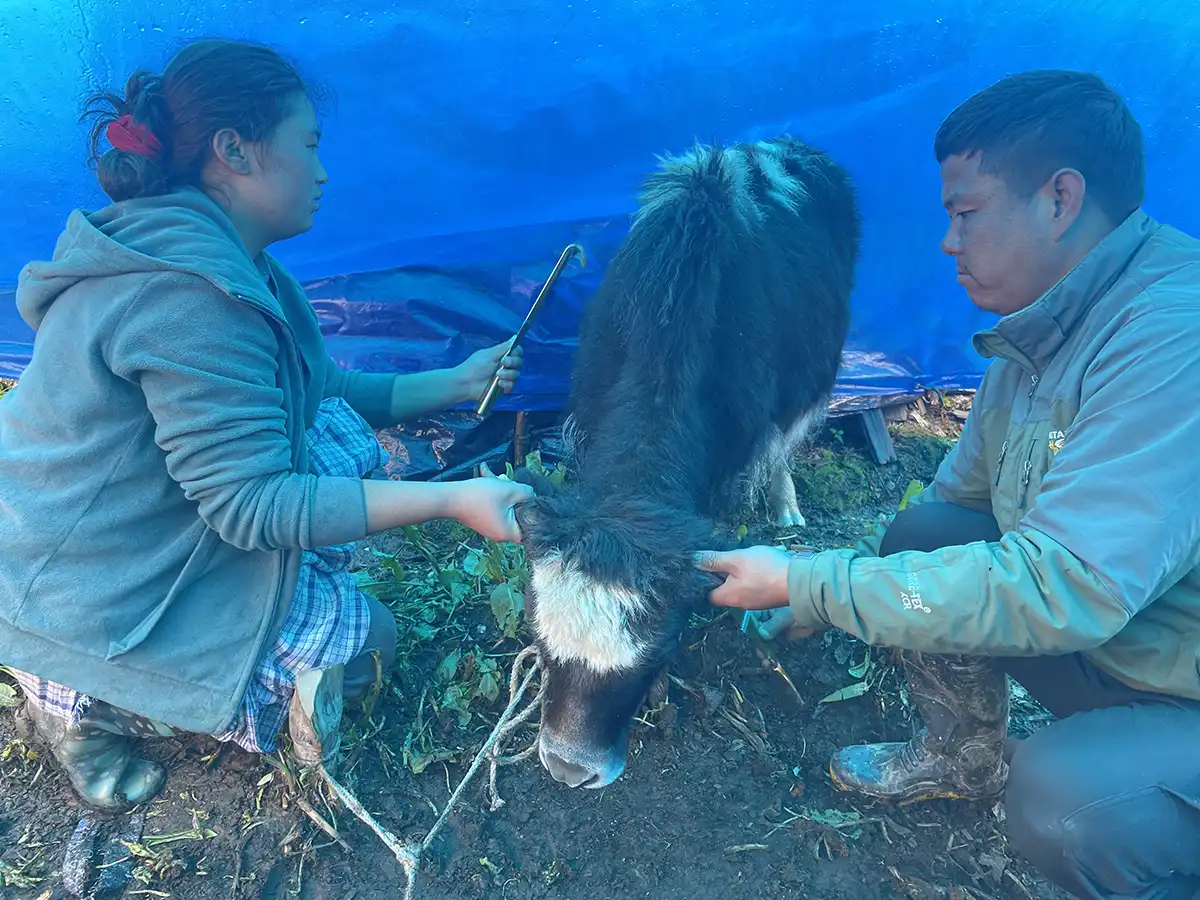
As a part of the initiative, from the high mountains of Haa, fibres were gathered with care from herders of Bji, Eusu, and Katsho Gewogs — each combed gently, ensuring no harm to the animal or the environment. This was the first organized collection, bringing together over a dozen herders and the National Yak Farm, who together offered 15.6 kilograms of raw wool. After washing and refining at the National Yak Farm, only 7 kilograms of wool top remained, pure, soft, and precious. When spun into yarn, it yielded 6 kilograms of the finest fiber Bhutan had ever produced the true “Lanor noble fibre” of the highlands.
From Tradition to Modern Craft
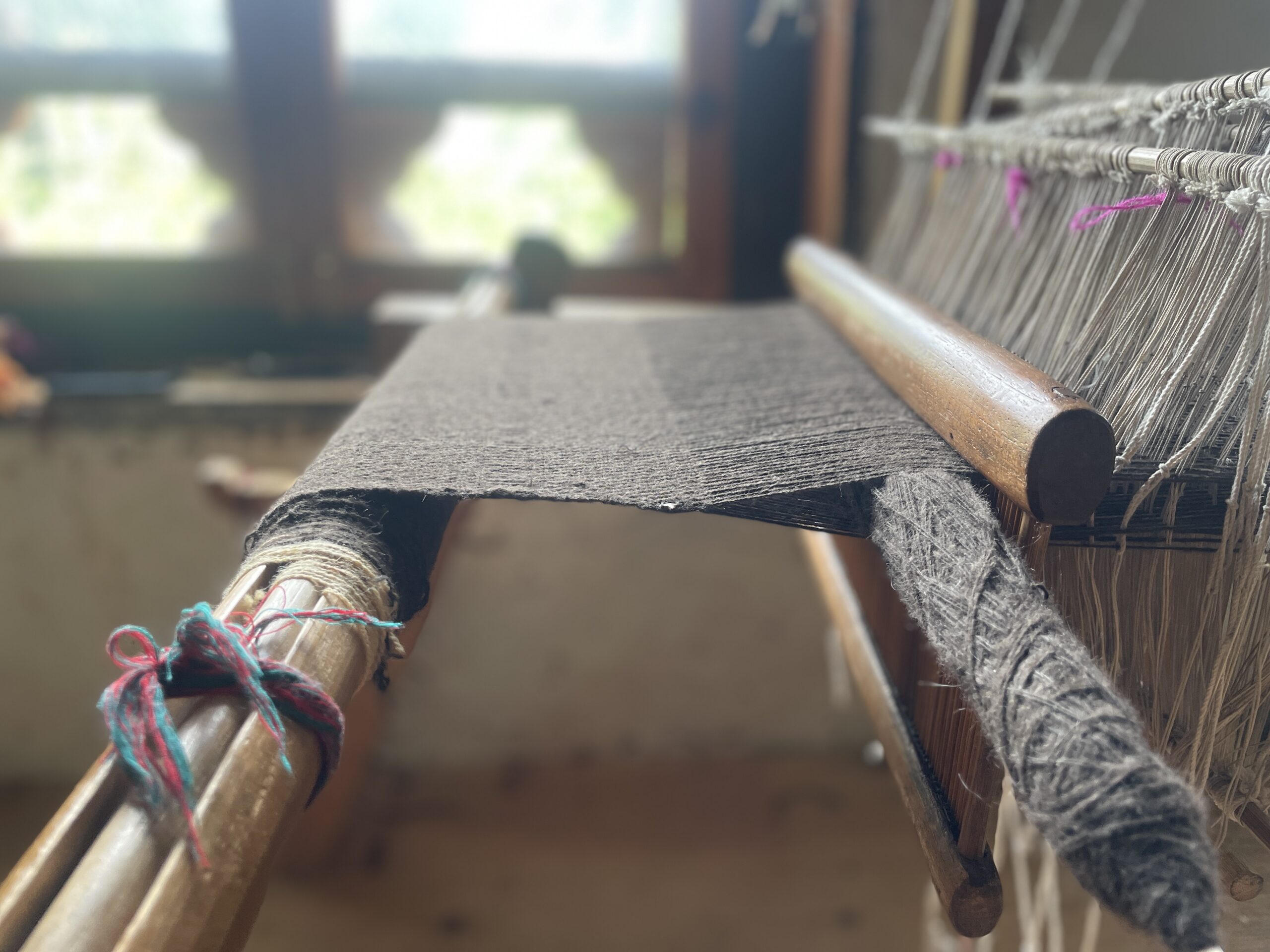
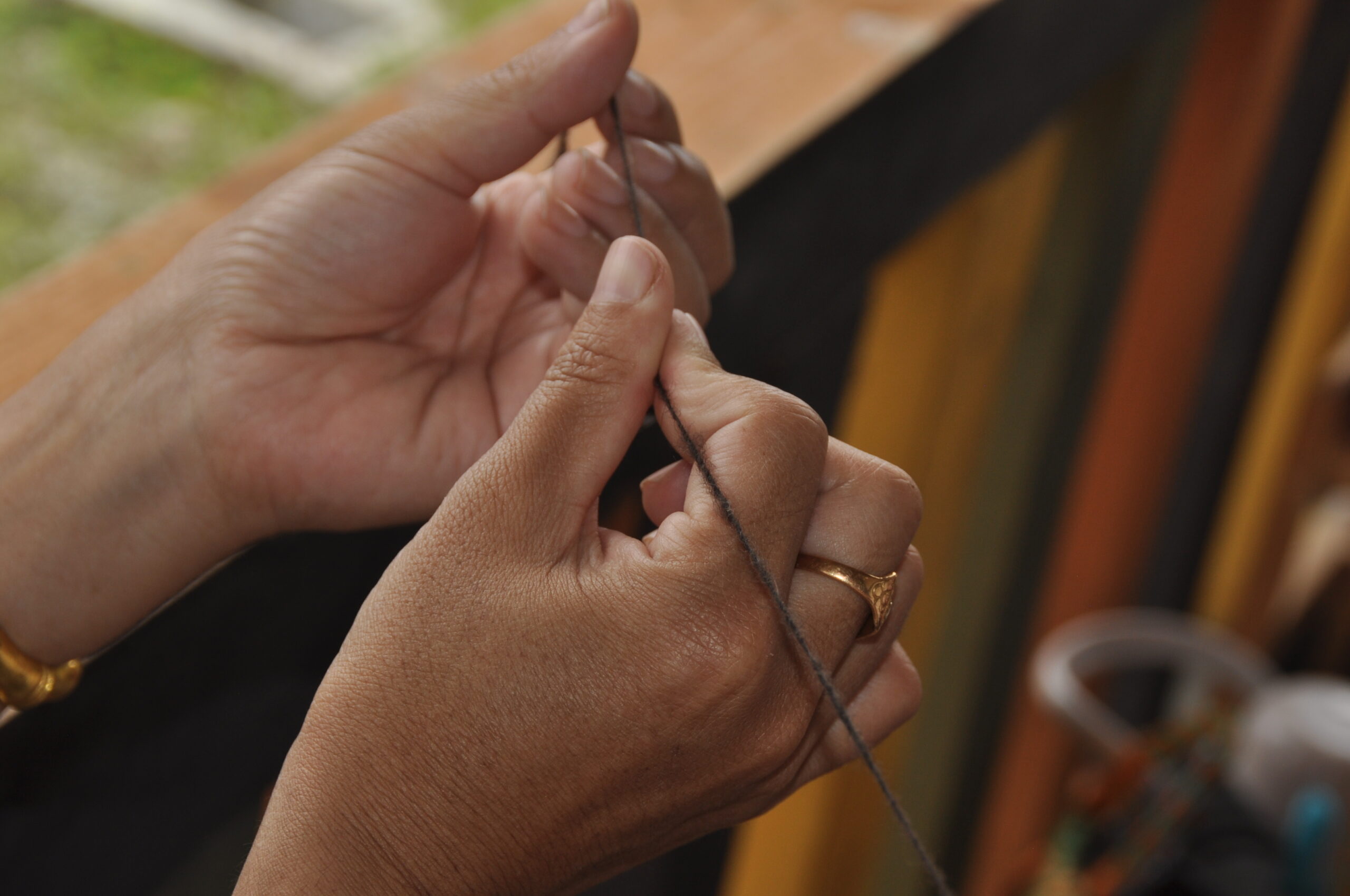
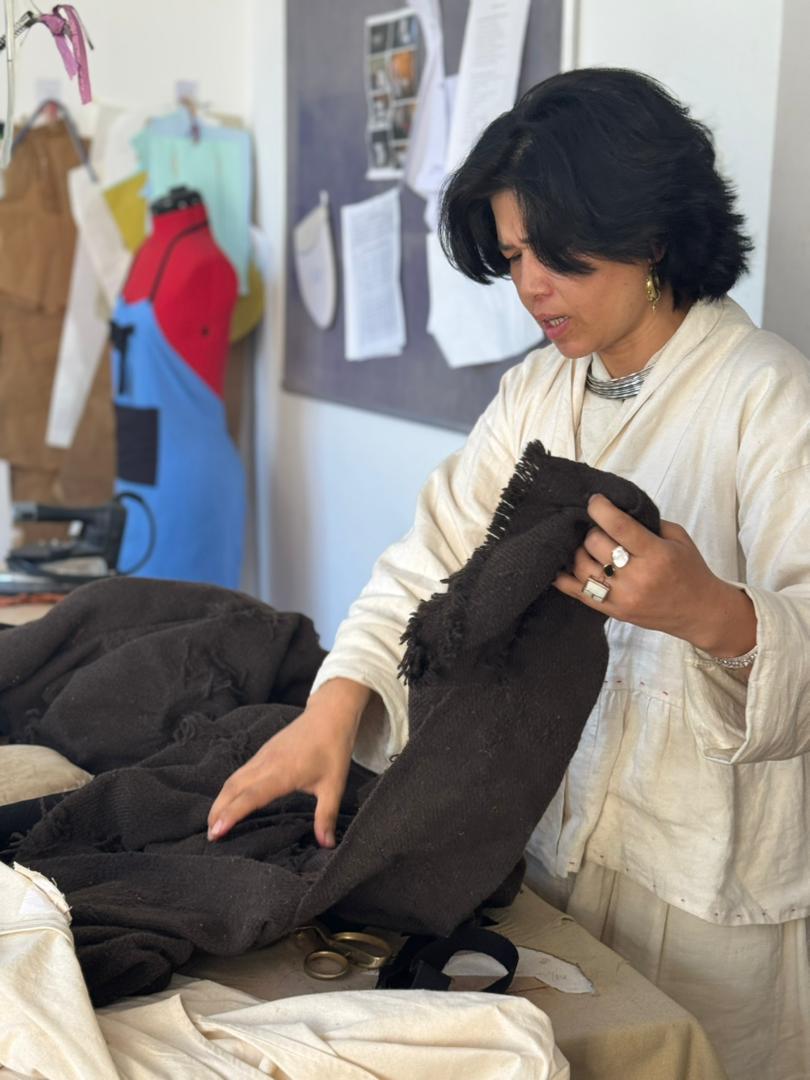
In Bumthang, the yarn came to life through the skilled hands of women spinners from Lusibee, Zhuri, and Tang, who have preserved the art of spinning for generations. The weavers of the Dorjibi Women’s Group then brought the fiber to form on the traditional Thrue Tha (horizontal frame loom), guided by designer Chandrika Tamang (CDK) in close collaboration with FAO Bhutan and the Department of Livestock.
These garments are more than products; they embody a meeting of tradition and modernity—the warmth of the yak, the artistry of Bhutanese hands, the touch of modern fashion, and the promise of sustainable livelihoods.
This project was just the beginning, but it revealed both the challenges and the possibilities ahead. Collecting yak wool remains difficult due to the remoteness of herder communities and the lack of organized systems. Processing facilities are still limited, and the market for high-quality yak wool products is yet to be fully developed.
These garments are more than products; they embody a meeting of tradition and modernity—the warmth of the yak, the artistry of Bhutanese hands, the touch of modern fashion, and the promise of sustainable livelihoods.
This project was just the beginning, but it revealed both the challenges and the possibilities ahead. Collecting yak wool remains difficult due to the remoteness of herder communities and the lack of organized systems. Processing facilities are still limited, and the market for high-quality yak wool products is yet to be fully developed.
The Future of Bhutanese Yak Wool
Yet, the potential is undeniable. The project proved that Bhutan’s yak wool can be transformed into high-value garments. With investment in collection networks, processing infrastructure, and product design, Bhutan could carve a niche identity: “Bhutan Yak Wool—Highland Luxury, Sustainable by Nature.”
Yak wool is more than fiber. It is heritage spun into thread, linking the highland herders to Bhutan’s national identity and now, to the possibilities of global markets. The recent progress showed that with vision and collaboration, yak wool can support livelihoods, preserve culture, and tell a story that belongs uniquely to Bhutan.
Yak wool is more than fiber. It is heritage spun into thread, linking the highland herders to Bhutan’s national identity and now, to the possibilities of global markets. The recent progress showed that with vision and collaboration, yak wool can support livelihoods, preserve culture, and tell a story that belongs uniquely to Bhutan.
A Heritage Reimagined
From the herders who combed wool from their yaks in Haa, to the women who spun yarn in Bumthang, and the weavers who transformed it into garments in Dorjibee, every strand of yarn tells a story of collective effort. The process demonstrated that Bhutan’s yak wool—long valued in traditional life—can now be refined, spun, and woven into products that preserve cultural heritage while opening doors to new opportunities.
Collection of Yak Wool
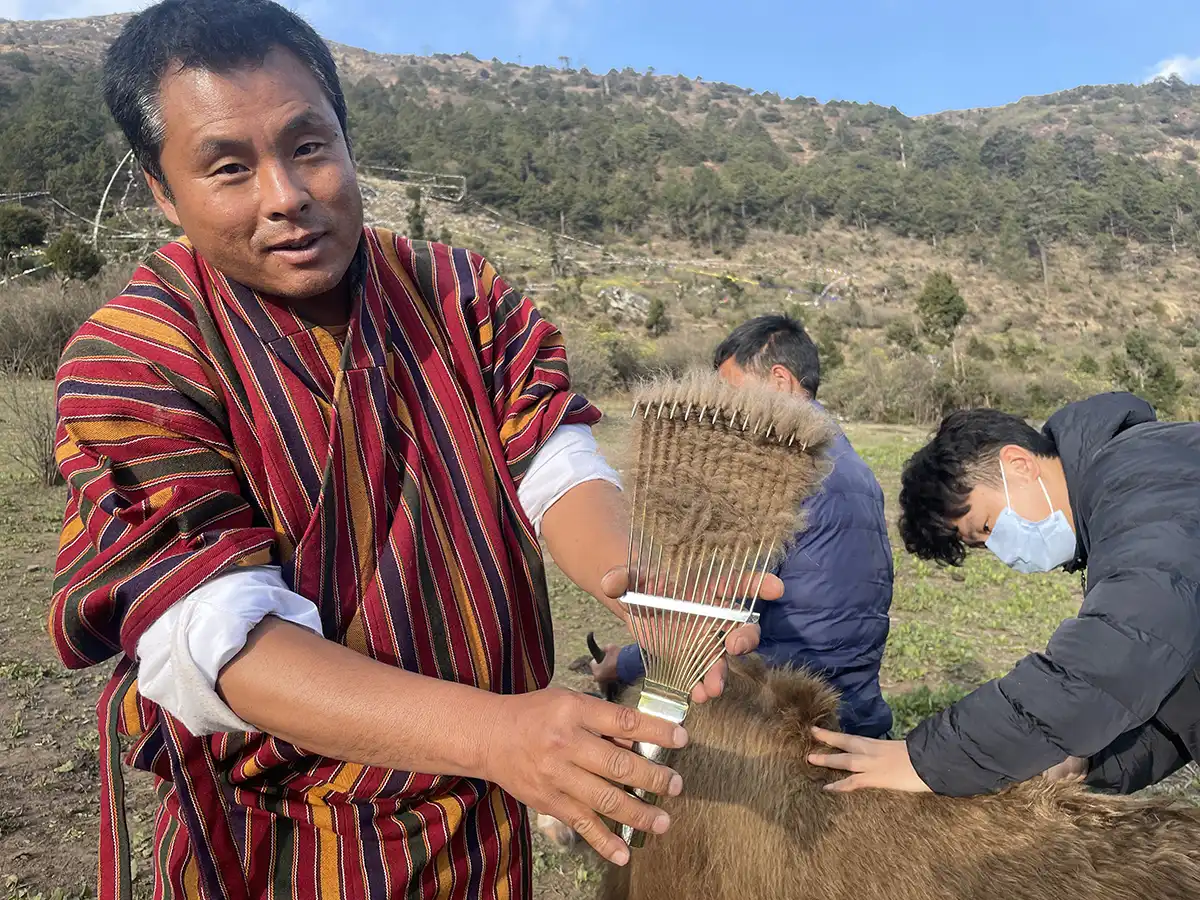
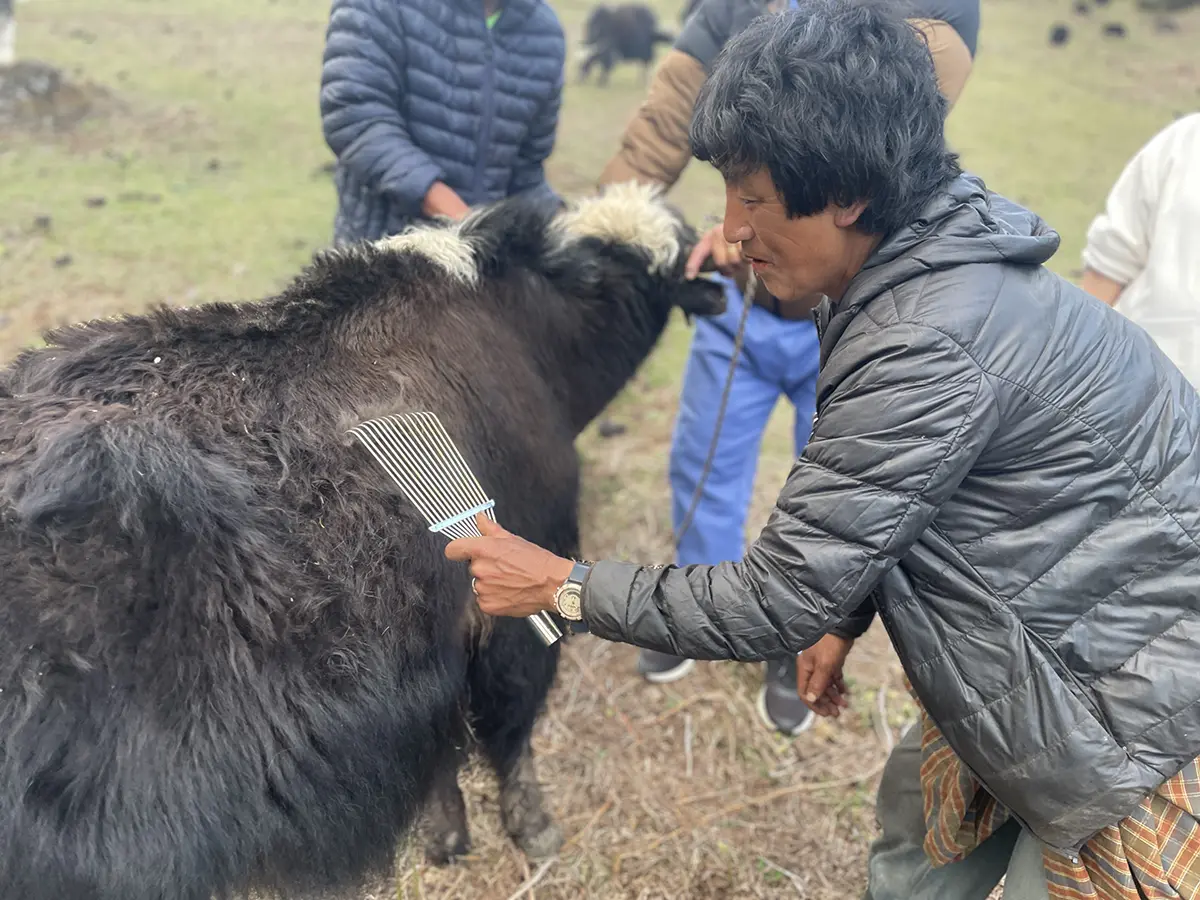
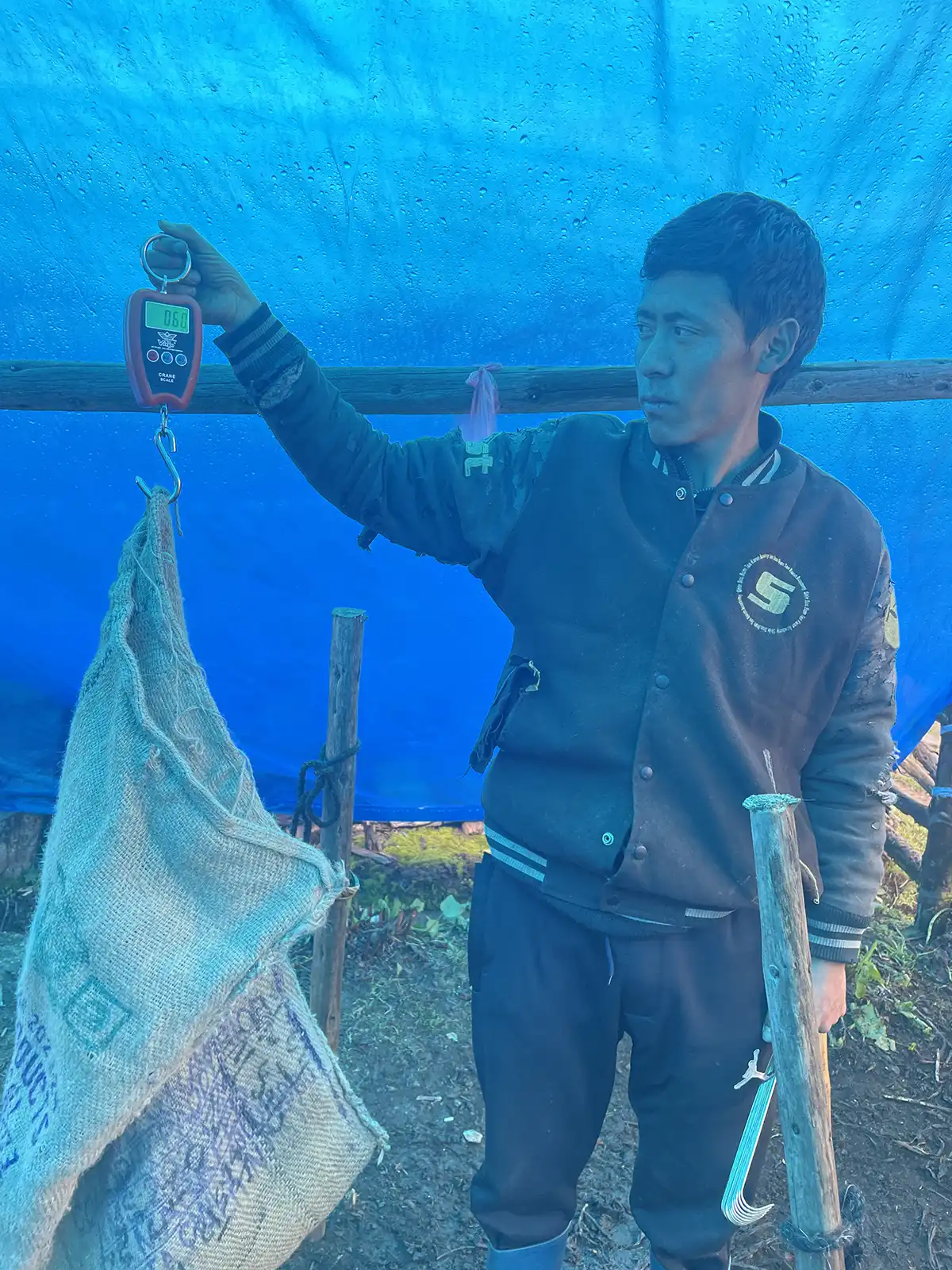
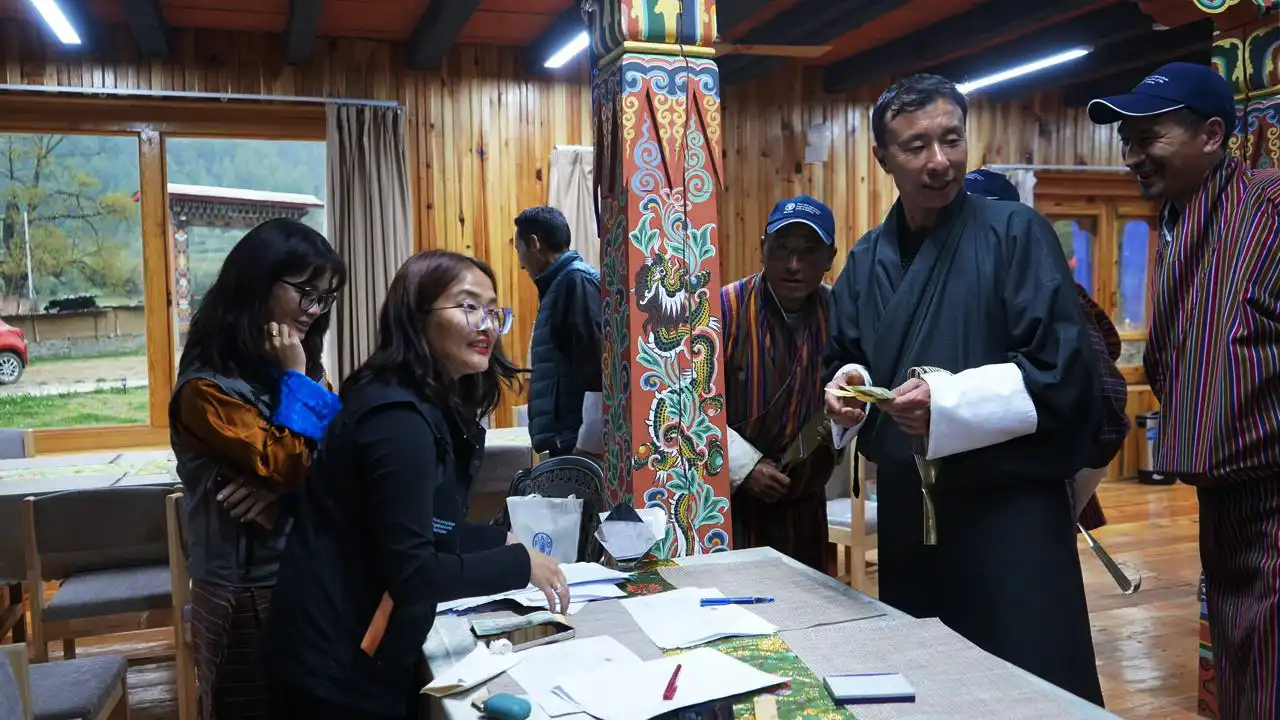
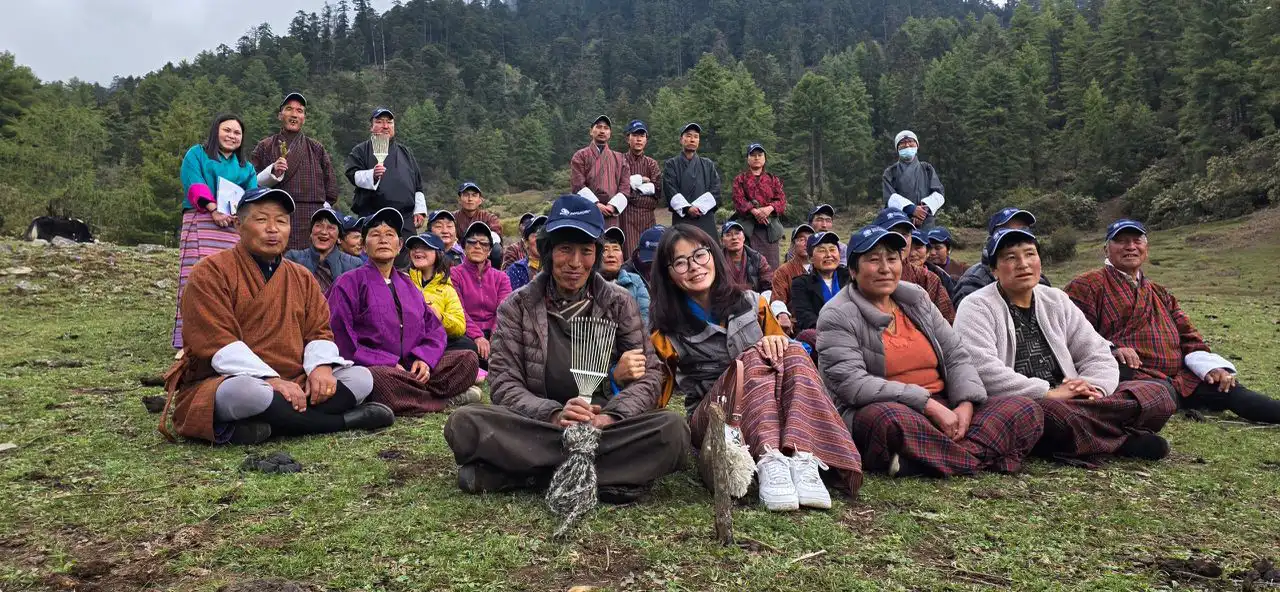
In the spring, when the yaks of Haa Dzongkhag began to shed, a total of 15.61 kilograms of wool was carefully collected from more than 120 yaks belonging to 12 herders. This was the first organized effort to bring together wool from households across the gewogs, each family contributing their share of the highland resource.
From Eusu Gewog, the contributions included:
- Pempu Tshering and Passang Wangmo of Tshona Damkha – 0.5 kg
- Kipchu and Karma of Tshona Domo – 2.35 kg
- Singye Namgyal of Tsang – 0.45 kg
- Dawa Tshering and Nidup of Tshotshokha – 1.25 kg
- Tsheltrim Dorji and Phub Zangmo of Tshabjo – 1.2 kg
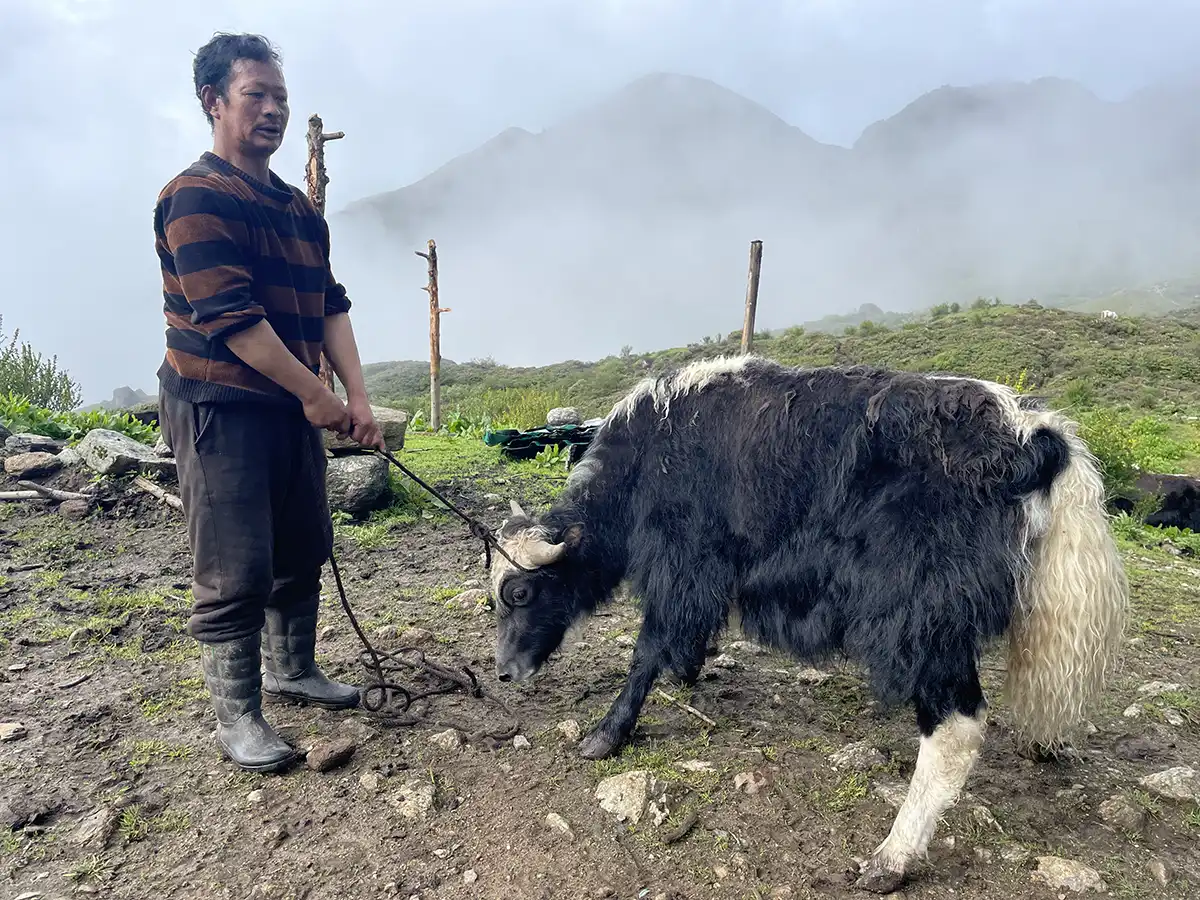
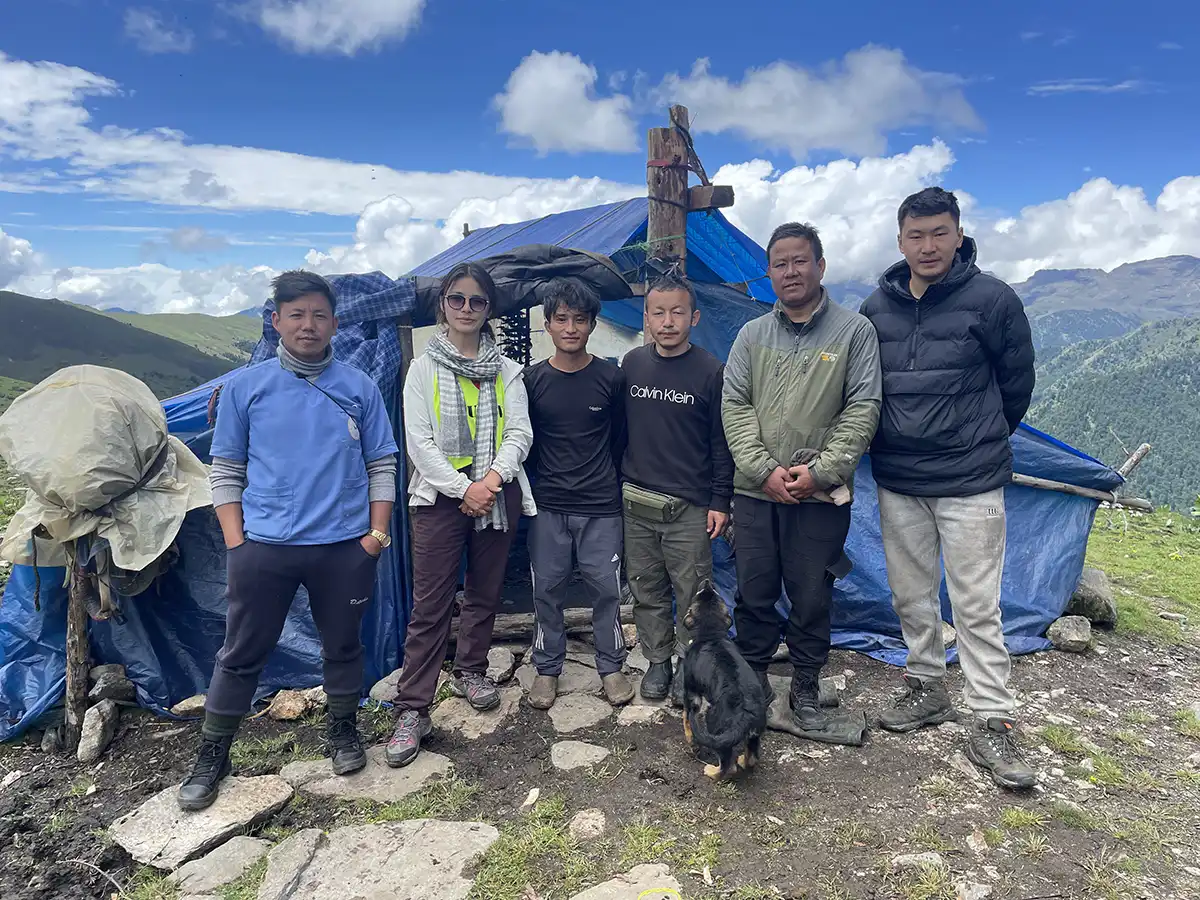
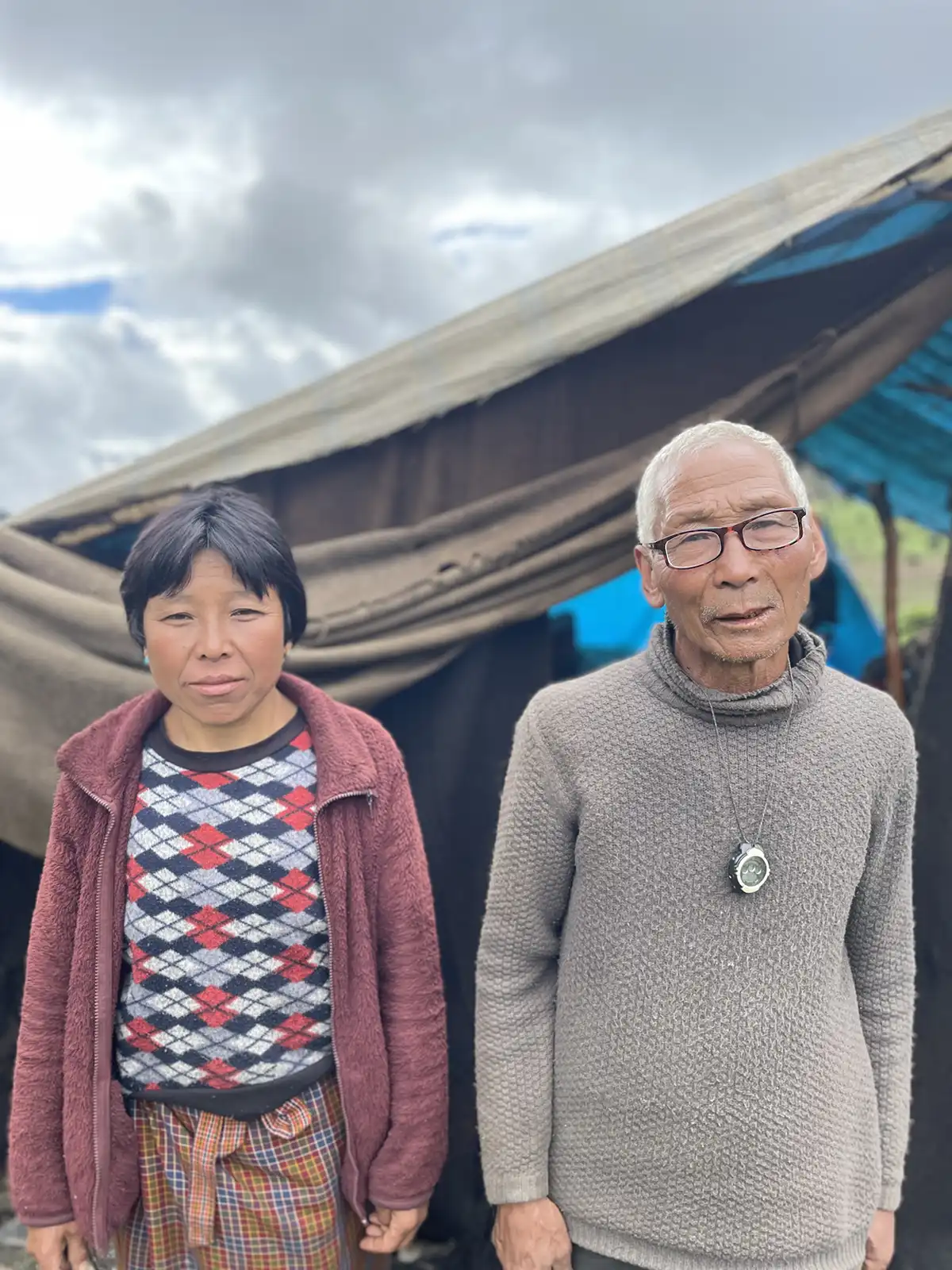
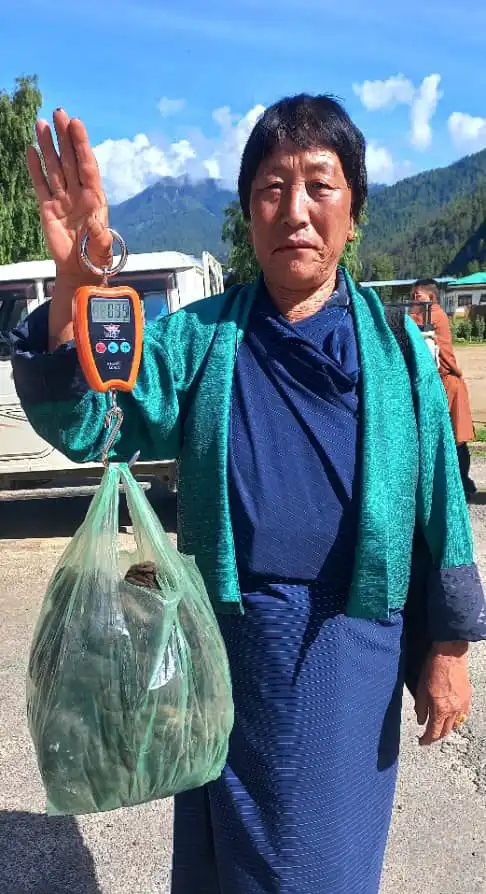
From Bji and Katsho Gewogs:
- Jamtsho of Yangthang – 0.8 kg
- Tenzin Namgay of Katsho – 0.65 kg
- Sangay Dorji of Katsho – 0.25 kg
- Kipu Samtay – 0.6 kg
- Patu Maka – 0.8 kg
- Rinchen Zangmo of Longlo – 0.055 kg
- Sonam Rinchen of Yangthang – 1.7 kg
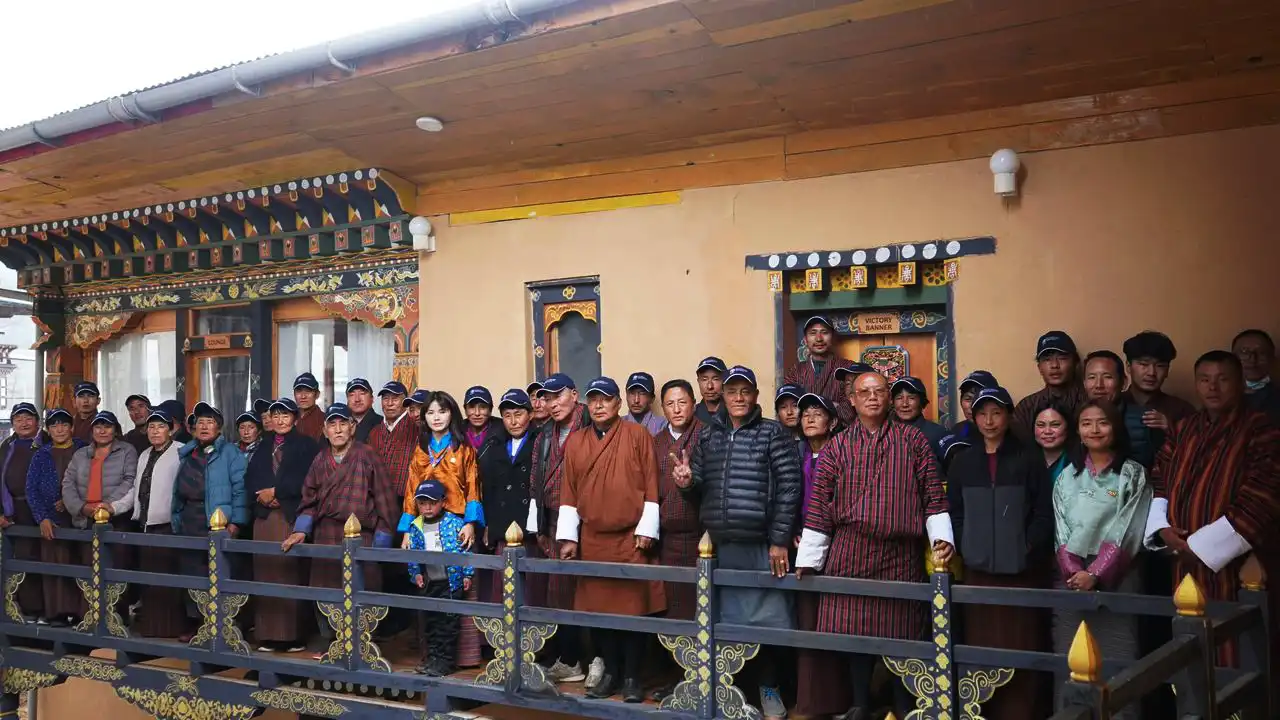
In addition, the National Yak Farm herd contributed 6.04 kg of wool, making up the largest single share. Together, these collections demonstrated the willingness of herders and institutions alike to contribute towards giving new life to Bhutan’s yak wool.
Processing of Yak Wool
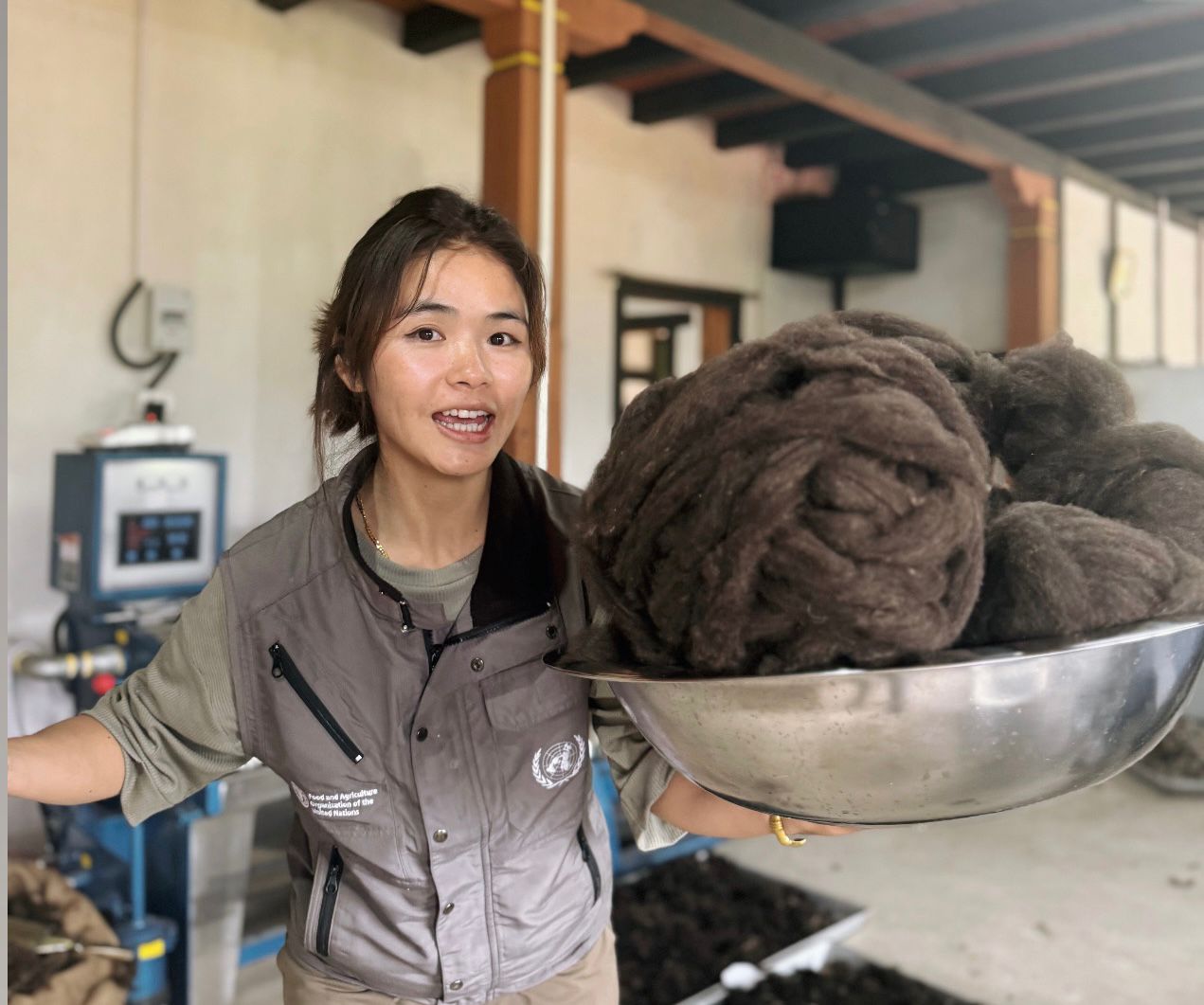
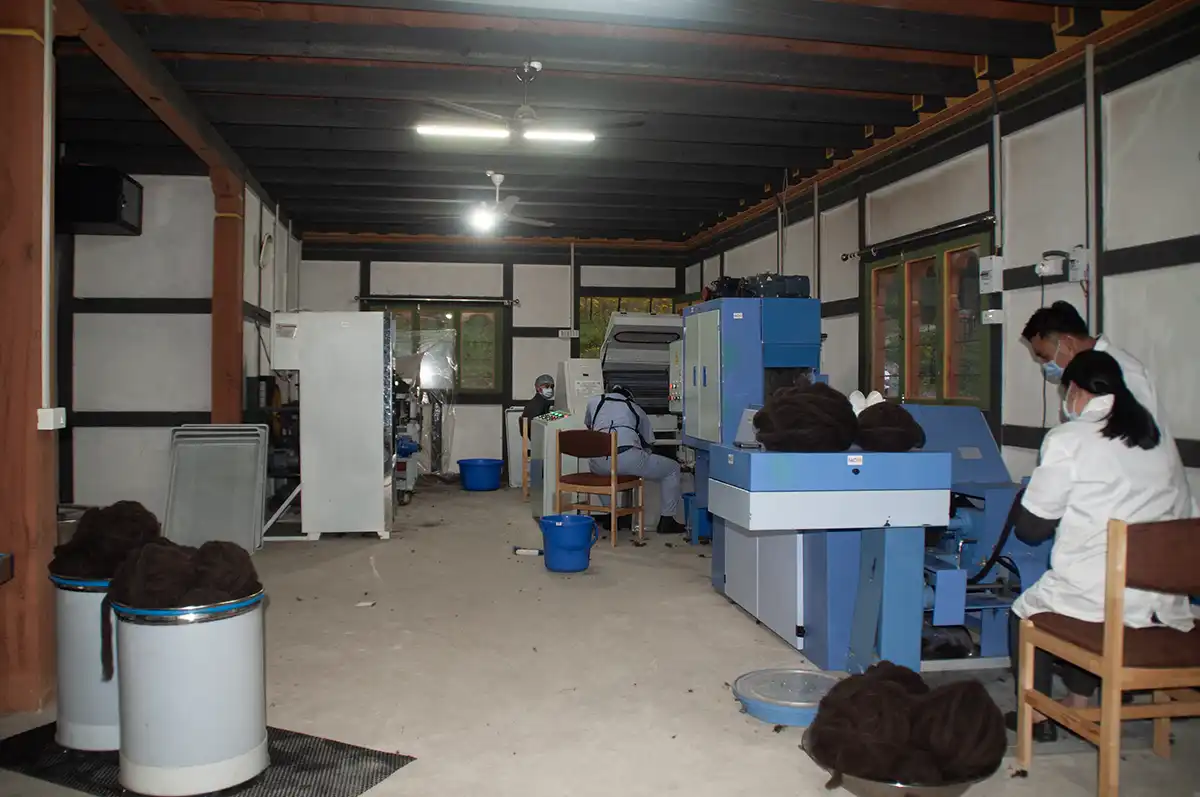
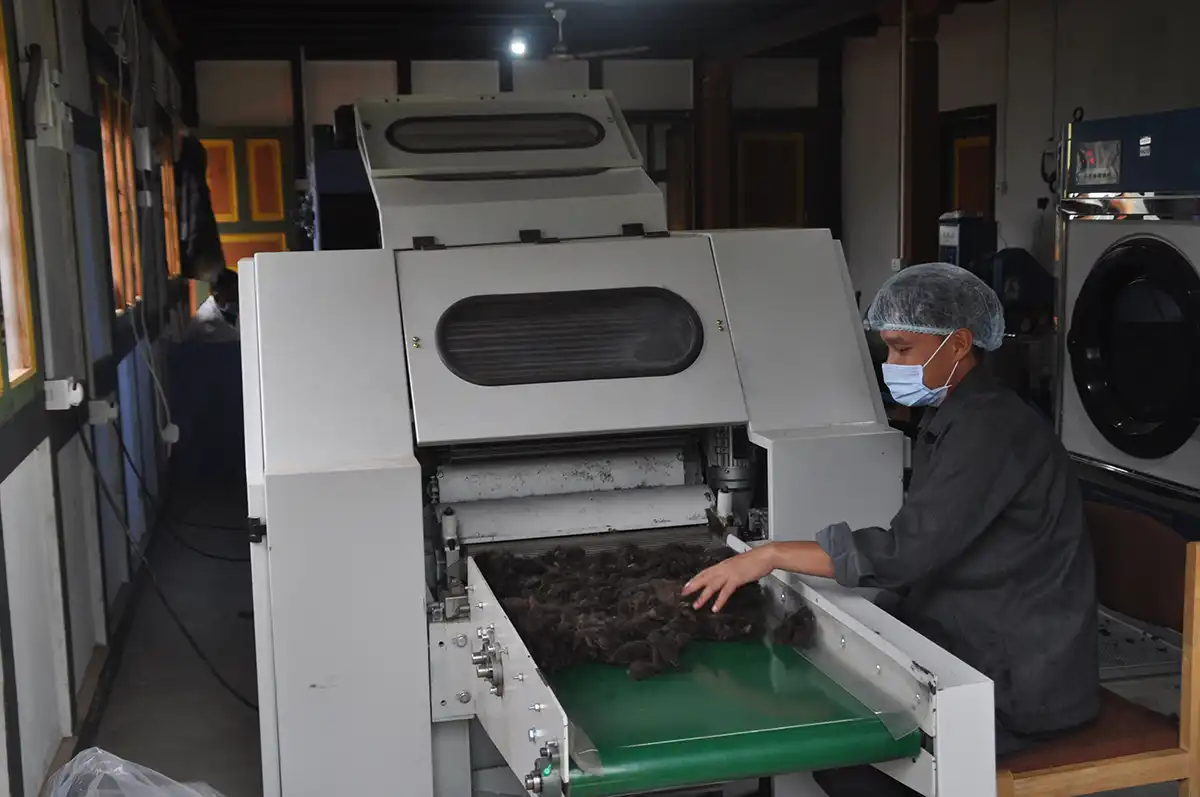
The collected wool was brought to the Wool Processing Unit at the National Yak Farm in Haa, where it was cleaned, sorted, and processed into fine yarns using modern machinery. For the first time in Bhutan, yak wool was refined in this way, producing yarn of a quality suited for weaving into high-value textiles.
The work was supported by officials of the gewogs in Haa and staff of both the National Yak Farm and the National Sheep Farm, whose technical expertise ensured that the fiber retained its natural strength and softness.
Product Development
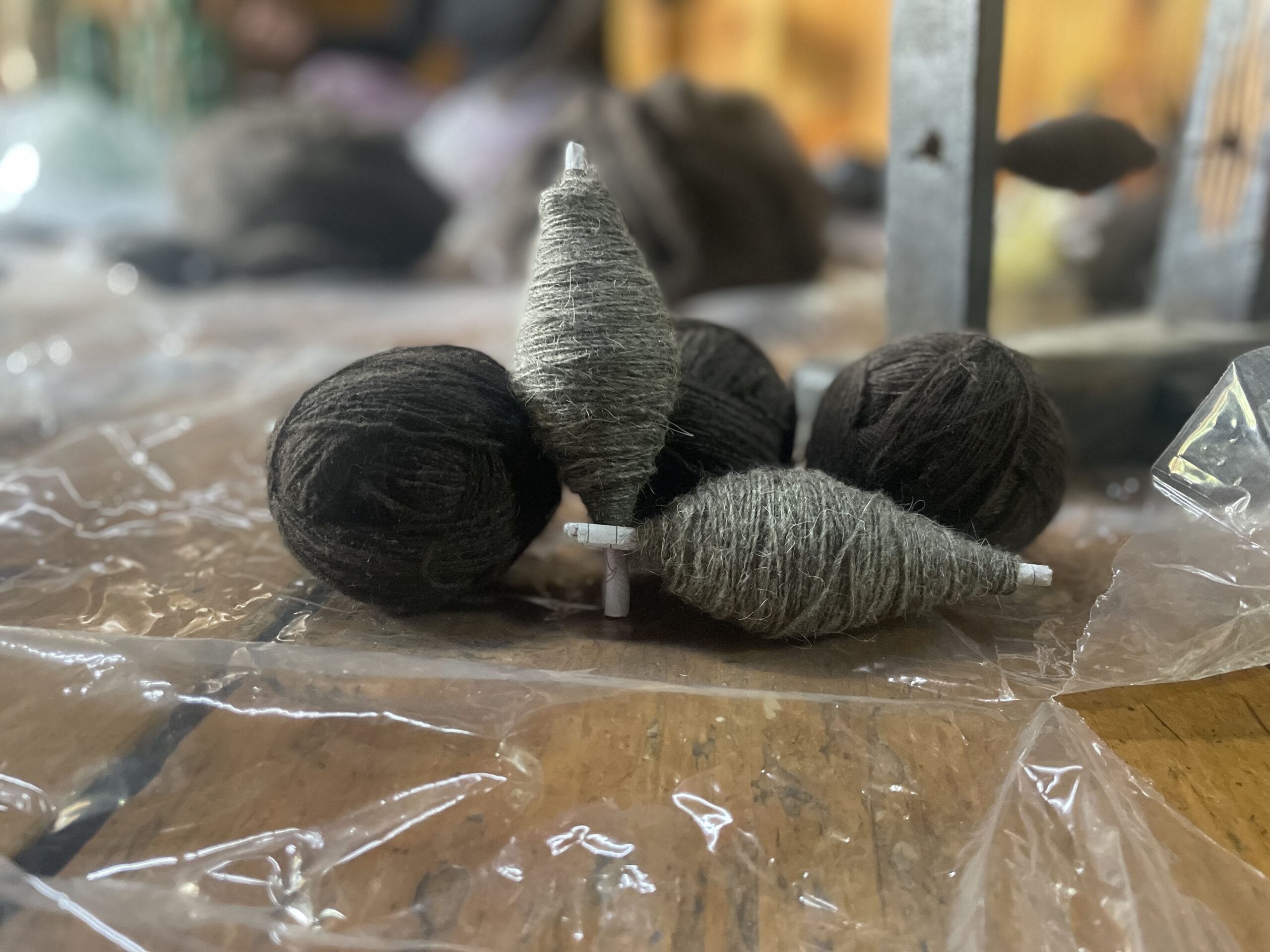
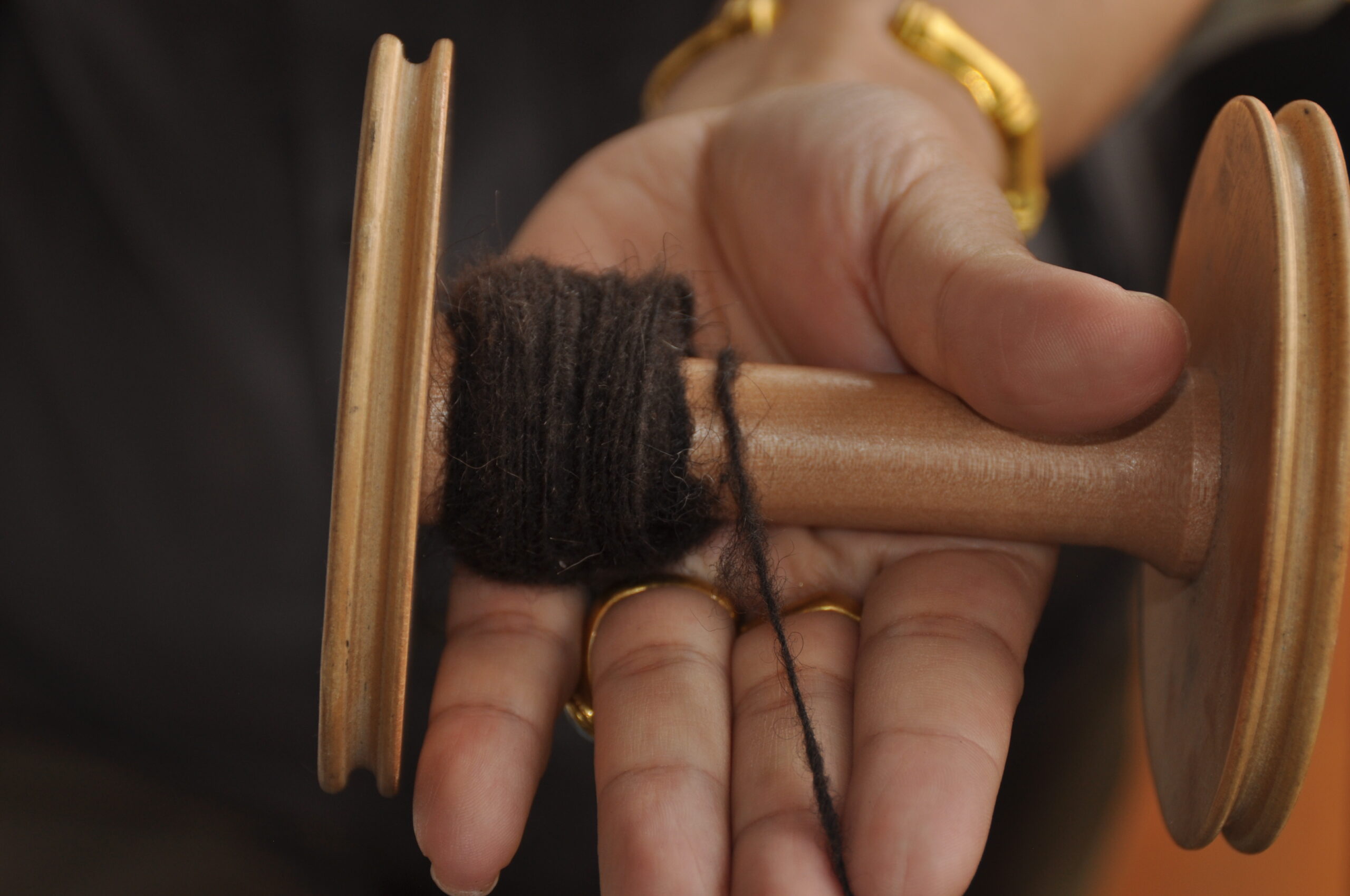
Once processed, the wool traveled to Bumthang, where local artisans and institutions joined hands to turn the yarn into finished products. Yarn spinning was carried out in Lusibee (Chokhor), Zhuri (Chummey), and the National Sheep Farm in Tang. Skilled women from these communities spun the yarn, blending tradition with modern processing.
The yarn spinners included:
- Lusibee, Chokhor: Dawa Zangmo, Ugyen Dema, Yangzom, Ugyen Wangmo, Phomo, Tshering
- Zhuri, Chummey: Sonam Lhamo, Tshokey Wangmo, Ugyen Wangmo, Samten Lhamo, Samten Choden, Dechen Choki, Tshering Peldon
- National Sheep Farm, Tang: Sangay Zangmo, Rinchen Dema, Pema Zangmo, Tshering Dema, Lhachu Dema, Cheki, Wangzom
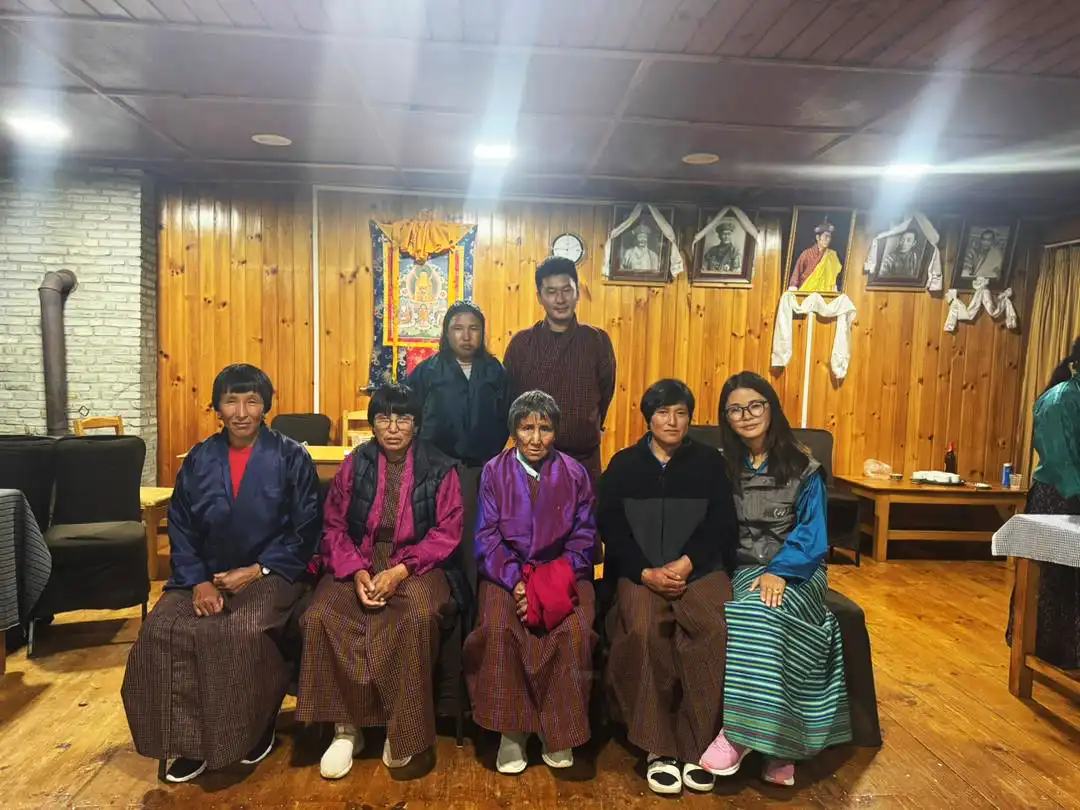
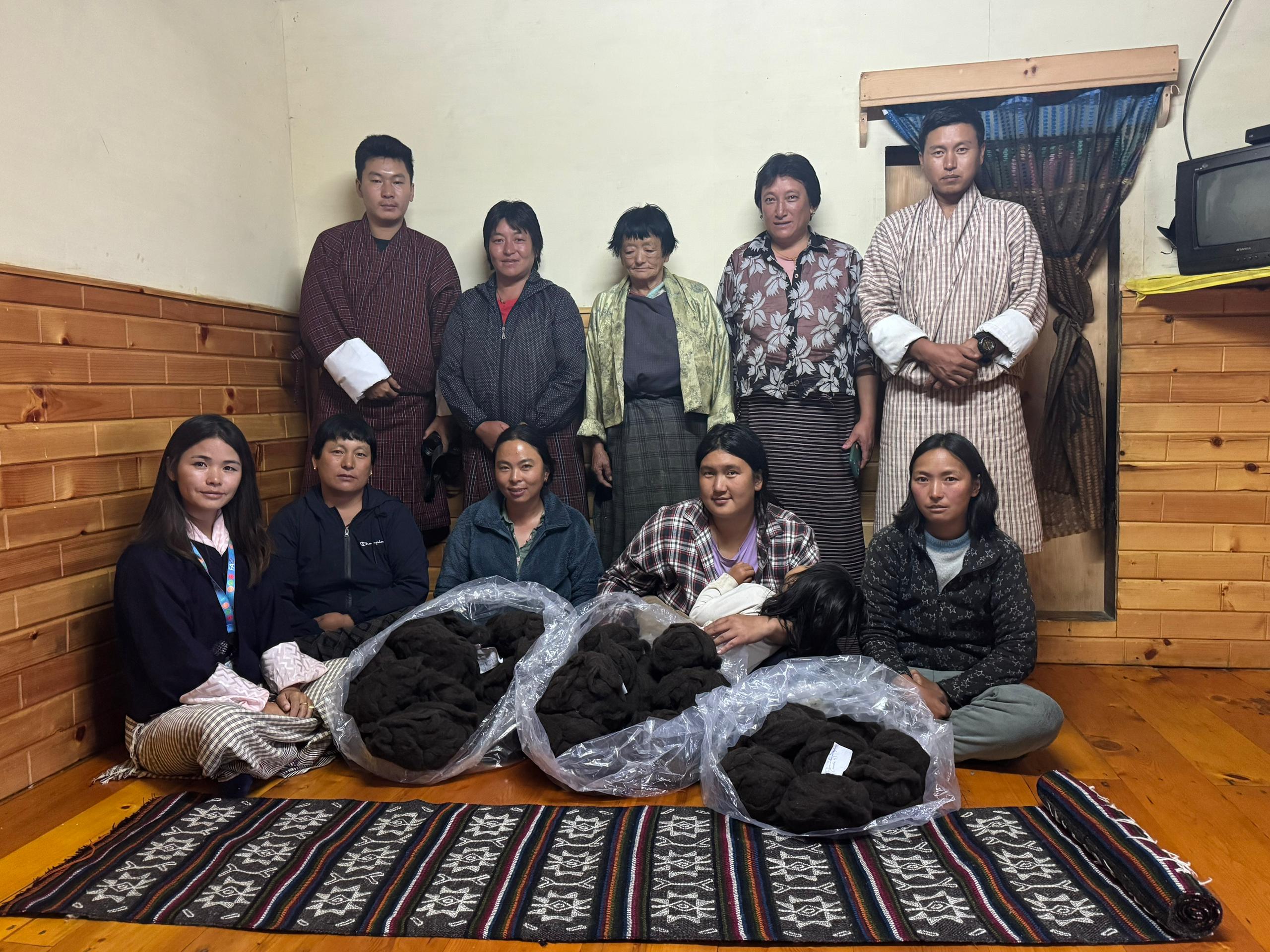
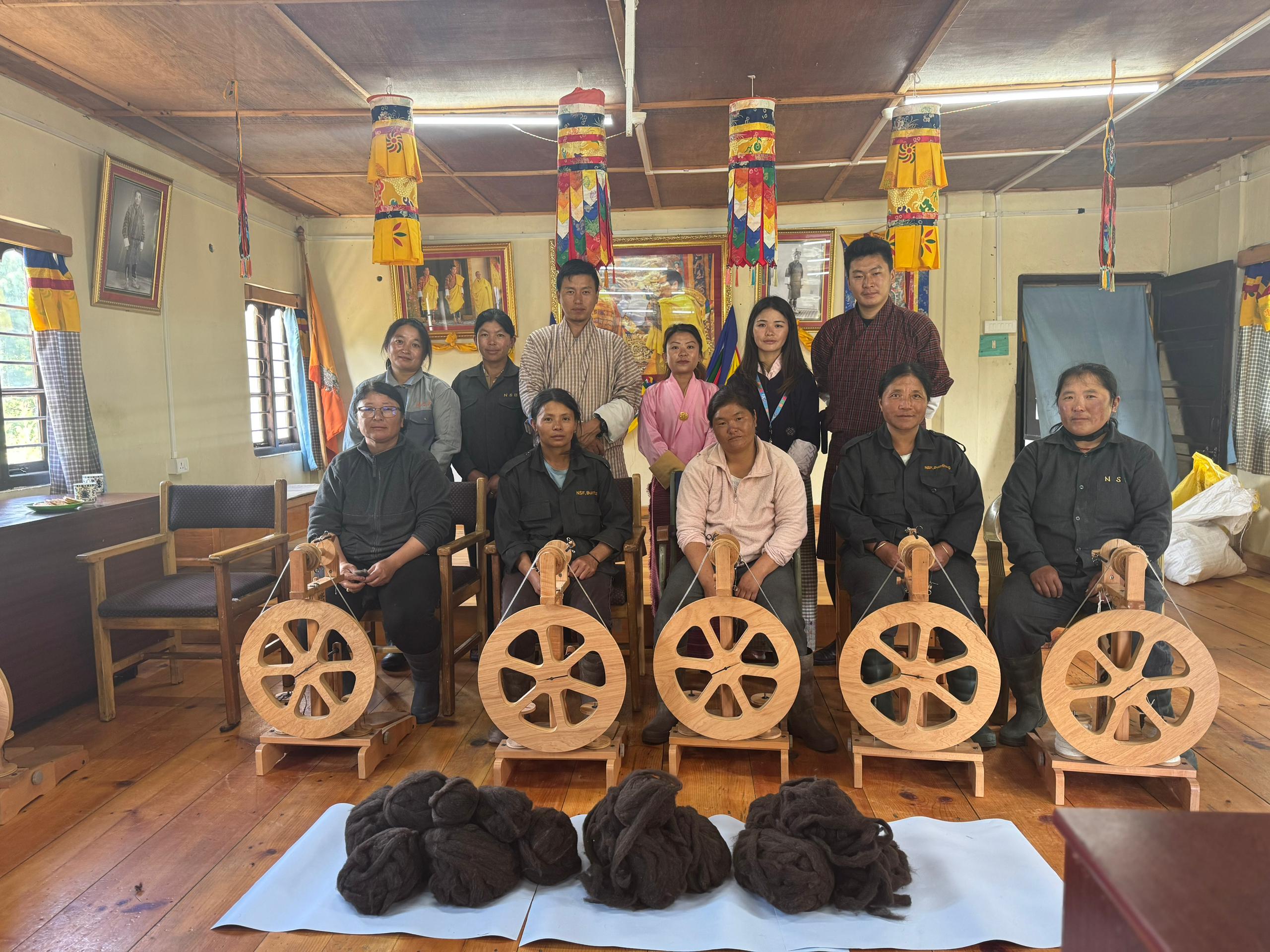
Once processed, the wool traveled to Bumthang, where local artisans and institutions joined hands to turn the yarn into finished products. Yarn spinning was carried out in Lusibee (Chokhor), Zhuri (Chummey), and the National Sheep Farm in Tang. Skilled women from these communities spun the yarn, blending tradition with modern processing.
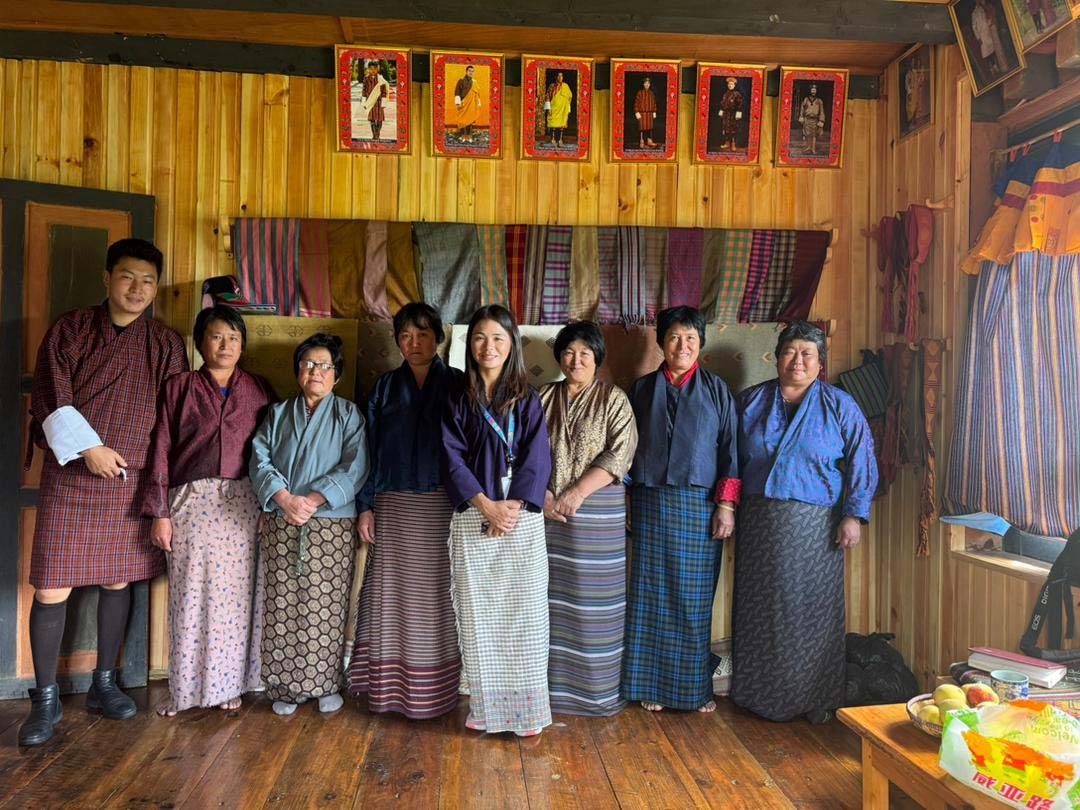
The weavers of Dorjibi Weaving Center were:
- Tshokey Lhamo
- Wangmo
- Tshering
- Phurpamo
- Ugyen Lhamo
- Jamyang Choden
- Tshomo